Is The World Still Flat or Even Flatter?
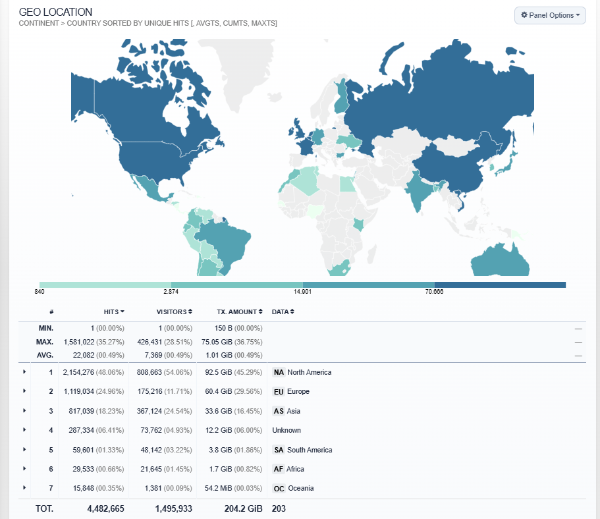
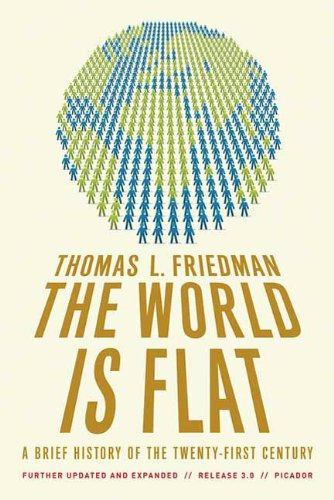
I was recently looking at some digital analytics—the kind of global footprints we all leave behind—and it struck me just how interconnected our world has become. It made me think back to Thomas Friedman’s famous thesis from 2005, the idea that "the world is flat." The core of his argument was actually quite beautiful in its simplicity: that the playing field was being leveled. He believed that through "Globalization 3.0," the power was shifting away from massive nations and multinational corporations and into the hands of individuals. Thanks to what he called "flatteners"—everything from the fall of the Berlin Wall to the rise of the internet and seamless global supply chains—a single person with a laptop could suddenly compete on a global stage.
There was a real sense of techno-optimism in that vision. We saw technology as a great equalizer, a way to bridge distances and democratize opportunity. Whether it was through outsourcing, the rise of Google, or the ability to collaborate via open-source platforms, the implication was that we were building a more integrated, efficient, and accessible world. It felt as though the barriers to entry were dissolving, leaving behind a more streamlined and unified human experience.
But, as we often find in life, the reality is much more complex than the initial theory. If you look at how Friedman’s own thinking has evolved, you see a significant shift from "flat" to something much more daunting: a world that is fast, fused, deep, and—perhaps most tellingly—fragile. He began to realize that the very acceleration that connects us also creates profound instability. We see it in the hollowing out of middle-class jobs, the rise of political populism, and the deep inequalities that persist despite our connectivity. The world may be flatter, but it is also much more volatile. We are living in an era of unprecedented access, yet we are grappling with an unprecedented sense of fragility.