Vintage Artificial Intelligence
You know, we often look at the cutting edge of modern technology and feel a certain sense of vertigo. We are surrounded by these incredibly complex, generative models that seem almost too real, and it can be overwhelming. But I’ve been thinking lately about the much simpler, almost charming precursors to all this. There is a new "Vintage Artificial Intelligence Collection" now available on archive.org, and it takes you back to a much more foundational era—roughly from the 1970s through the 1990s.
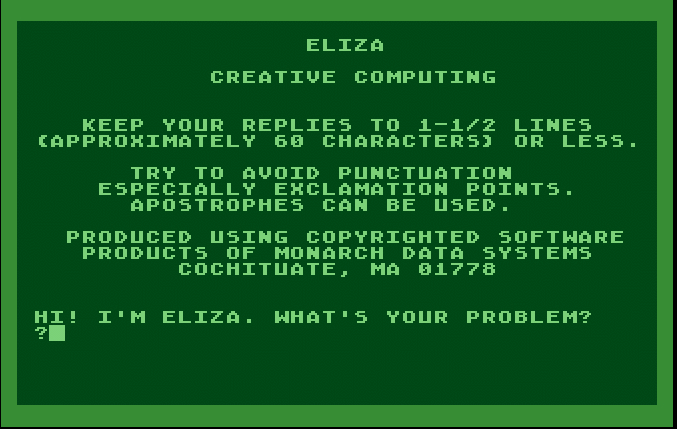
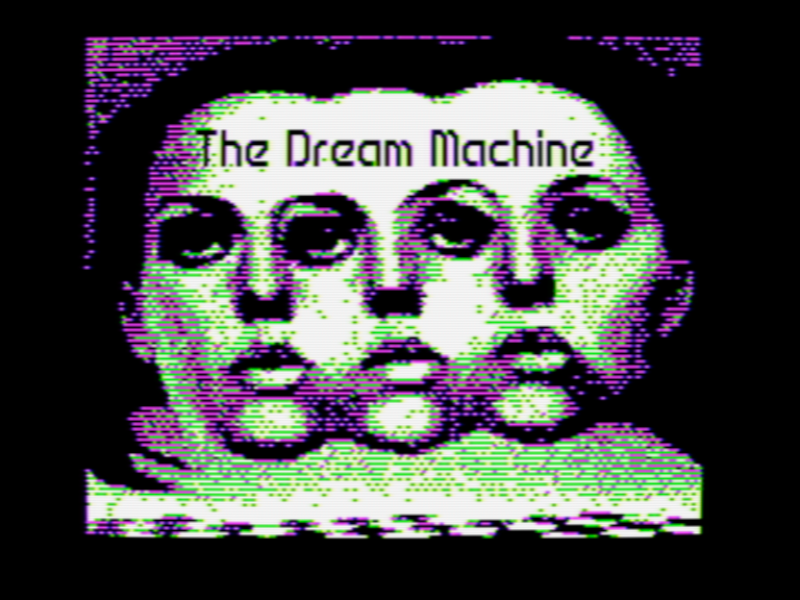
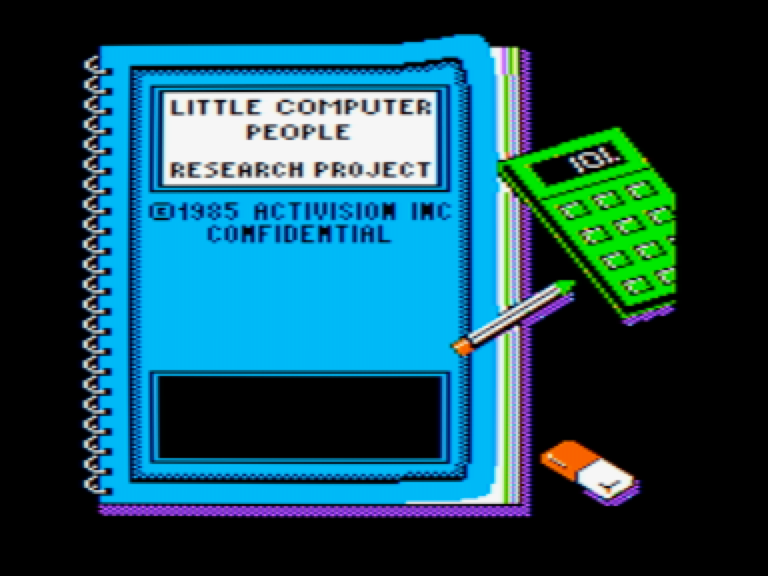
What’s really striking about this collection is the sheer variety of what early programmers were attempting. These weren't the massive, all-encompassing neural networks we see today; rather, they were emulated software packages on microcomputers and game consoles designed to capture the illusion of a "thinking machine." You’ll find programs intended to serve as therapists, conversation partners, or even just opponents in a game. They were all trying to simulate that very human experience of interacting with something that seems to possess a bit of improvisation and contemplation.
There is something quite poignant about looking back at these early iterations, before the technology "got a little strange," as some might say. It’s a fascinating way to observe the early footprints of the human-machine relationship. When we explore these vintage programs, we aren't just looking at old code; we are looking at the early stages of a long-standing human impulse: the desire to create something that can reflect our own intelligence and engage us in dialogue. It’s a window into how we first began to bridge the gap between the human spirit and the digital world.